
CANNABIS INDUSTRY & BUSINESS
2020: The Year Cannabis Proved It Was Here to Stay
A Year of Disruption and Validation
2020 will always be remembered for the COVID-19 pandemic, but for the legal cannabis industry it was also a year of validation. As businesses closed and governments determined which services were essential, legal cannabis programs in many states remained operational. That decision carried significance far beyond short-term sales. It demonstrated that regulated cannabis had become part of the economic and healthcare infrastructure in a growing number of jurisdictions.
Federal Reform Moved Into the Mainstream
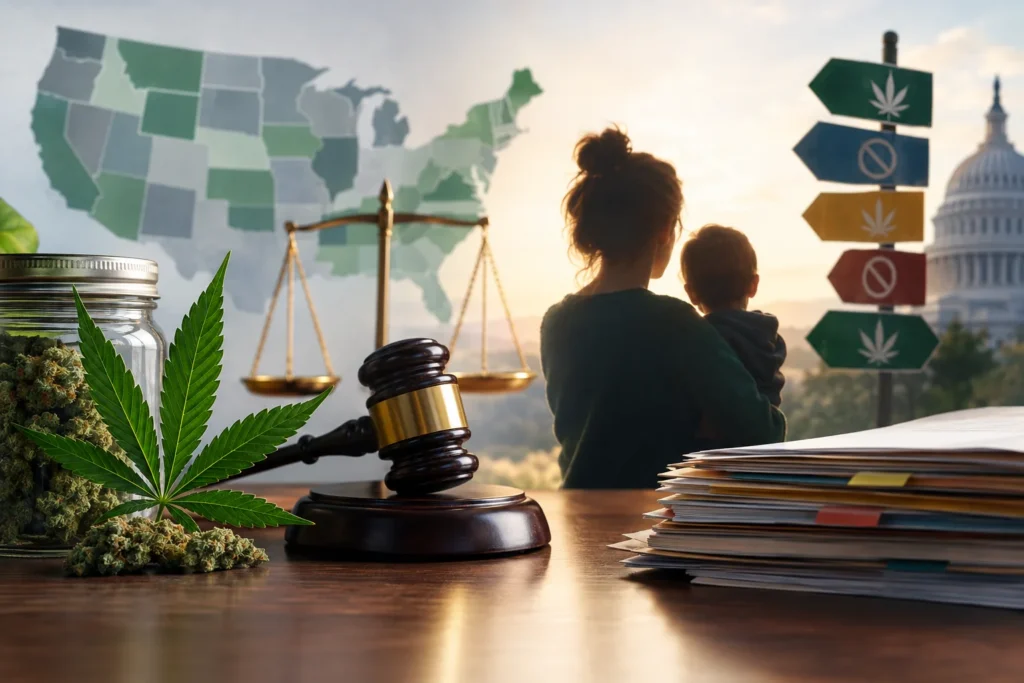
Federal cannabis reform was still far from complete, but banking access, criminal justice reform and descheduling were no longer fringe policy discussions. The SAFE Banking Act had already passed the House in 2019, while the MORE Act brought broader federal reform into serious congressional debate.
The significance was not simply whether every proposal became law. Cannabis policy had moved from a question of whether reform should happen to an increasingly practical debate over how reform should work.
States Continued to Move
State ballot initiatives provided another measure of the shift. Voters in multiple states considered medical or adult-use cannabis measures, including states that historically would not have been viewed as obvious early adopters. The geographic and political profile of legalization was broadening.
The Long View
For operators building businesses in cannabis, 2020 reinforced an important lesson: this industry is volatile, regulated and often difficult, but it is also durable. The companies that survive are the ones that build real infrastructure, understand compliance and plan for a market that continues to mature.
Greencoast supports the infrastructure behind cannabis businesses, from sourcing and manufacturing to quality control and DDP delivery.